Stinger season in the Whitsundays: what visitors need to know
By GSL Marine · 31 October 2026
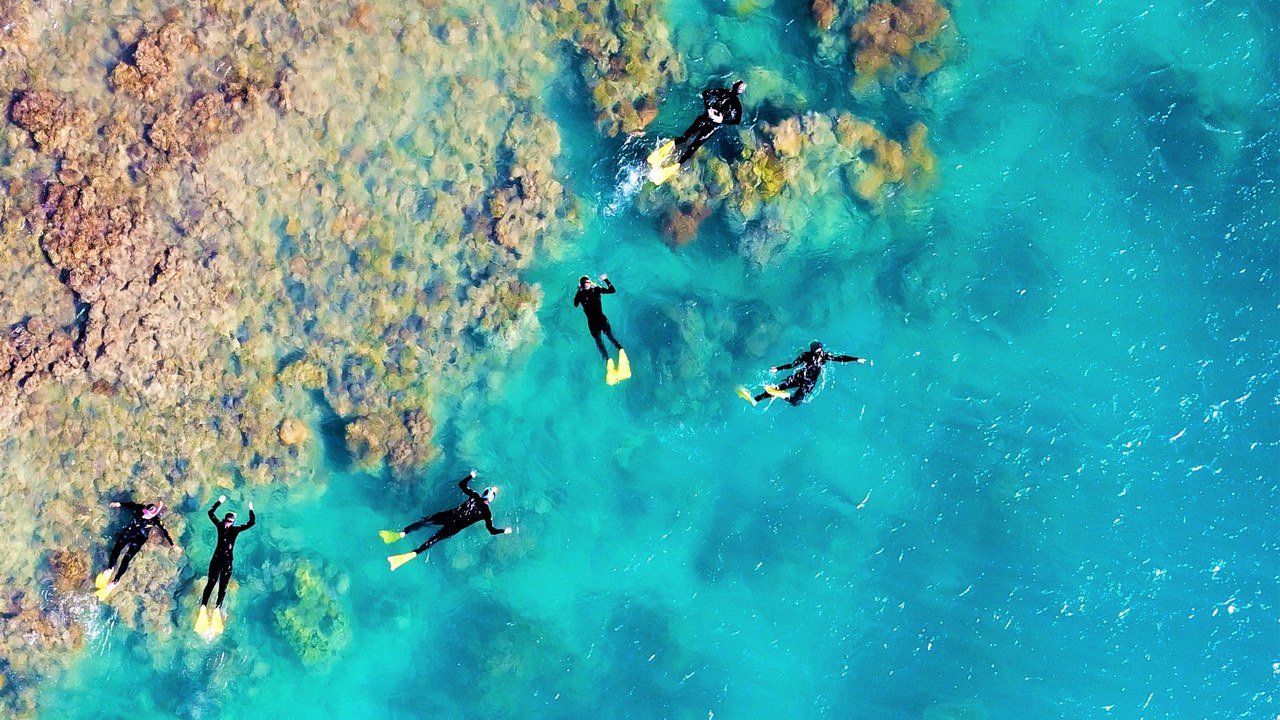
Quick answer: Marine stingers can be found in the Whitsundays all year, but the risk is higher from November to May. That’s what locals call stinger season. You can still swim and snorkel. The official advice is to wear a full-body lycra stinger suit, follow your crew’s instructions and treat any tropical jellyfish sting with vinegar and a call to 000. On GSL Marine’s snorkelling tours, stinger suits are included in season.
Local details: GSL Marine
GSL Marine, Port of Airlie Marina, Port Dr, Airlie Beach QLD 4802
Phone: (07) 4015 4191 · Open daily 9am to 5pm
Check-in: Rufus & Co Cafe, 33 Port Drive, Port of Airlie (five minutes’ walk from the Airlie Beach main street). Whitehaven tours check in at 8:30am, depart 9:00am and are back at about 4:45 to 5:00pm.
What is stinger season?
“Stingers” is the Queensland name for dangerous tropical jellyfish. The two that matter most are the box jellyfish and the Irukandji. The Queensland Government says they’re in tropical Queensland waters all year, with a higher risk during the marine stinger season from November to May.
Whitsunday Regional Council notes that experts don’t love the term “stinger season”, because it suggests stingers disappear the rest of the year. They don’t. November to May is better thought of as the high season, when stingers are more active and more numerous.
Are there stingers at Whitehaven Beach and Airlie Beach?
The Whitsundays are inside the range of both box jellyfish and Irukandji. Stings can happen around the islands and the reef as well as along the mainland coast. That includes Whitehaven Beach and the fringing reefs nearby.
That doesn’t mean you’ll see one. Irukandji are tiny, usually 1 to 2 cm across and almost transparent. That’s exactly why the advice focuses on prevention rather than spotting them.
Can you still swim at Whitehaven Beach in stinger season?
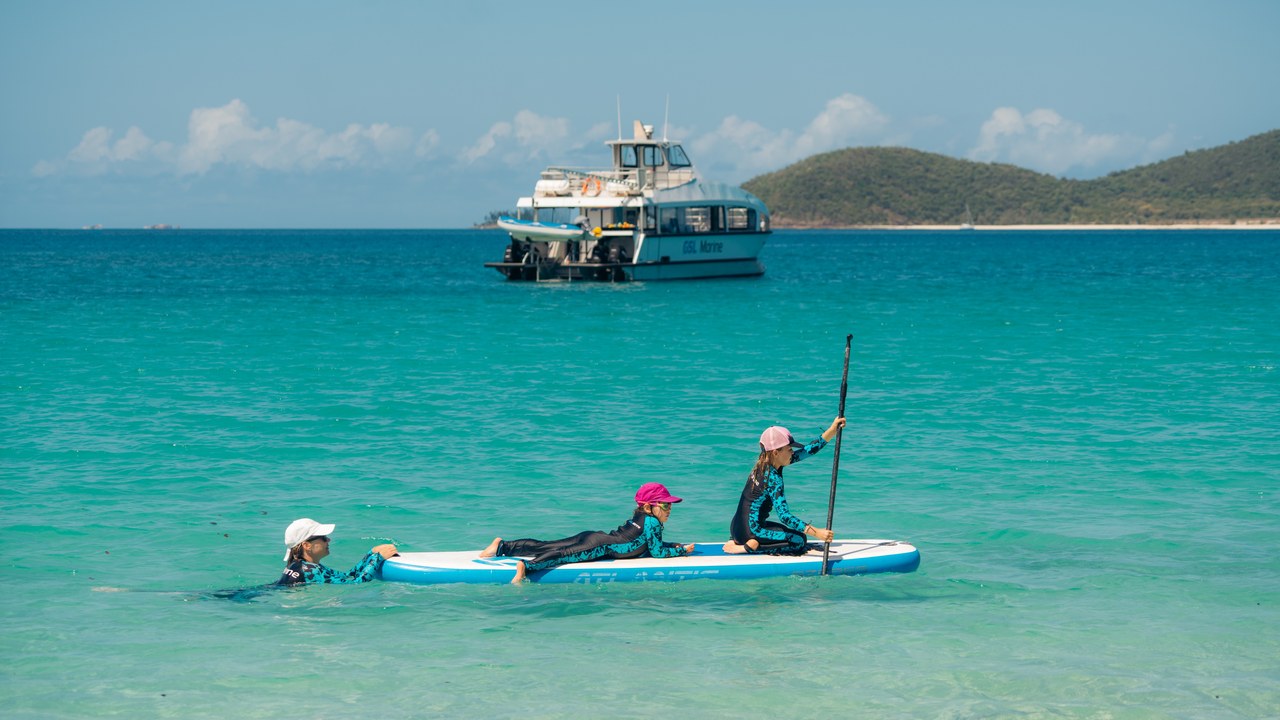
Yes. Plenty of visitors swim, paddle and snorkel in the Whitsundays between November and May. They just do it with the right protection.
- Wear a full-body lycra or neoprene suit when you go in the water. Whitsunday Regional Council calls this the number one way to prevent stings, because a suit covers up to 75% of the body.
- Wear it even if you’re only wading. The council notes that most box jellyfish stings happen while people are wading.
- Walk in slowly rather than running into the water.
- Don’t touch jellyfish washed up on the sand. They can still sting.
- Listen to the crew. They see the conditions every day and will tell you when and where to get in.
- Keep a close eye on kids. Queensland Parks warns that children can be more badly affected because of their size.
The council also lists conditions that can point to a higher Irukandji risk: sustained north-easterly winds, flat calm weather, and sea lice or lots of plankton in the water.
What a stinger season day with GSL Marine looks like
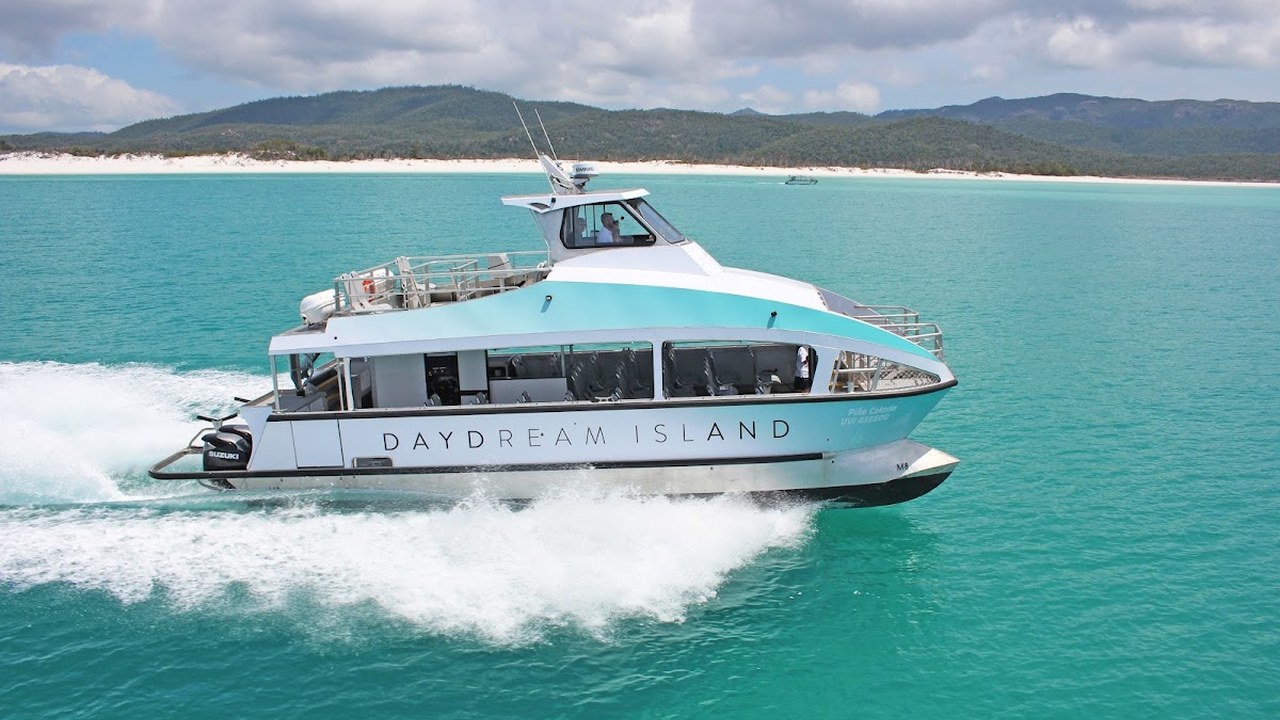
Not much changes. Pina Colada still leaves Port of Airlie at 9:00am, and you still get your time on Whitehaven Beach. On the Reef & Beach Experience and the Ultimate Whitehaven Experience, stinger suits are included with the snorkelling gear in season. Life jackets are compulsory for children under 12 during water activities.
If you’d rather stay on the sand, the Whitehaven Beach Club Pass gives you four to five hours on the beach with shade and beach games. It’s a relaxed choice for a hot summer day.
The suits have a bonus. They’re excellent sun protection, which matters in the Whitsundays from November to May.
Check Whitehaven tour dates and book online
What to do if someone is stung
This is the first aid published by the Queensland Government and Surf Life Saving Queensland. Read it before you go:
- Get the person out of the water if it’s safe, and move them into the shade.
- Call 000 for an ambulance, and tell the crew or a lifeguard straight away.
- Pour vinegar over the sting for at least 30 seconds. Vinegar stops the stinging cells from releasing more venom.
- Don’t rub the area or put sand on it.
- Start CPR if the person stops breathing.
- Keep watching them. Irukandji symptoms can take 5 to 45 minutes to appear. They can include severe back and muscle pain, headache, nausea, sweating and chest pain.
Because Irukandji symptoms are delayed, Surf Life Saving Queensland advises treating every tropical jellyfish sting with vinegar and monitoring the person for 45 minutes.
Plan your summer Whitsundays trip
Stinger season lines up with the warmer, wetter months. Tourism Whitsundays describes November to March as warmer and wetter with tropical showers, and April to October as milder with lower humidity. Summer still has long, bright days on the water. Just pack for sun and stingers.
Read our Whitehaven packing list and our snorkelling guide, or compare all four days on the Whitehaven Beach tours page.